Hot Water Extraction Cleaning: Pros and Cons
Posted on 21/07/2024
Hot water extraction cleaning, commonly known as steam cleaning, is recognized as an effective method for cleaning carpets, upholstery, and other surfaces. This technique employs high-temperature water and advanced machinery to eliminate dirt, grime, and bacteria. While hot water extraction boasts several advantages, it also has certain disadvantages that should be considered. In this article, we will dive deep into the pros and cons of hot water extraction cleaning, along with some useful tips and noteworthy takeaways.
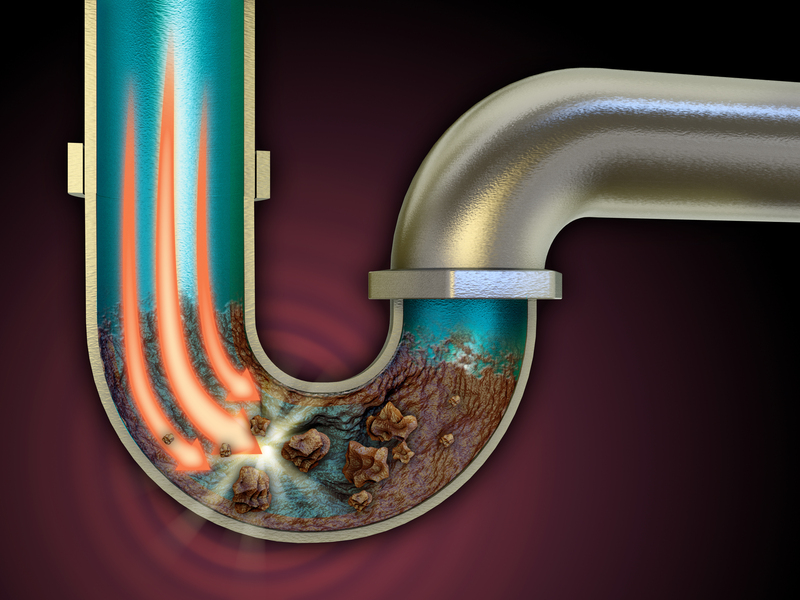
How Does Hot Water Extraction Cleaning Work?
Hot water extraction cleaning involves spraying heated water mixed with a cleaning solution onto the surface. The high pressure of the water and cleaning agents work together to break down dirt, stains, and bacteria. A powerful vacuum then extracts the water along with the loosened debris, leaving the surface cleaner and more hygienic.
Pros of Hot Water Extraction Cleaning
1. Effective Deep Cleaning: One of the most significant benefits of hot water extraction is its ability to deeply clean surfaces. The method effectively removes embedded dirt, stains, and allergens, making it an excellent choice for households with pets or children.
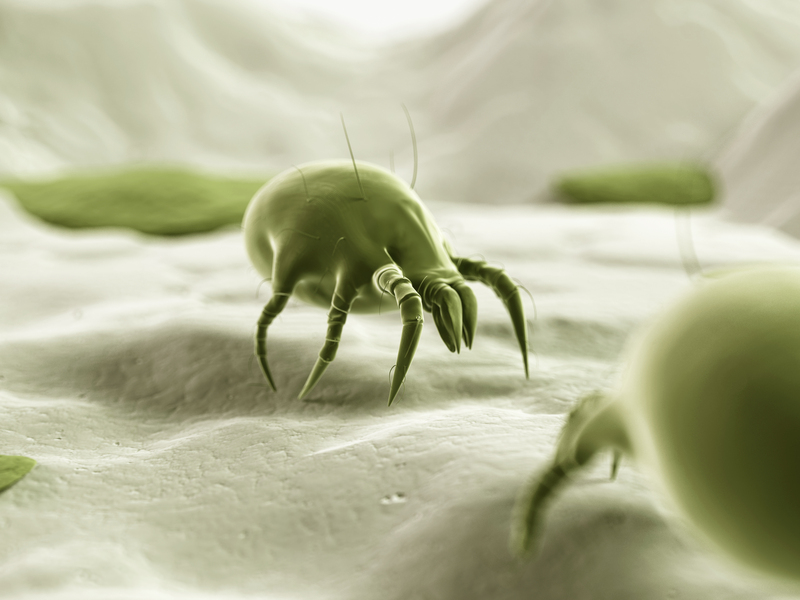
2. Kills Bacteria and Germs: The high temperature of the water helps in killing bacteria, dust mites, and other microorganisms. This makes it a suitable option for improving indoor air quality and maintaining a healthier living environment.
3. Eco-Friendly: This method often requires fewer chemicals compared to other cleaning techniques, making it more environmentally friendly. The use of hot water and natural cleaning agents minimizes the release of harmful chemicals into the environment.
4. Versatility: Hot water extraction is not limited to carpets alone. It can be used on various surfaces including upholstery, rugs, and even hard floors. This versatility makes it a valuable cleaning method for different areas of your home.
Cons of Hot Water Extraction Cleaning
1. Drying Time: One of the main drawbacks of hot water extraction is the longer drying time. Depending on the humidity, temperature, and airflow in the room, it can take several hours for the surface to dry completely.
2. Equipment Cost: The machinery required for hot water extraction can be expensive. While professional services are available, the cost of hiring professionals or purchasing the equipment can be a barrier for some individuals.
3. Potential for Over-Wetting: If not done correctly, hot water extraction can lead to over-wetting, which may result in mold growth, especially if the surface doesn't dry quickly. It's crucial to ensure proper technique and equipment usage to avoid this issue.
4. Preparation Time: Preparing a room for hot water extraction can be time-consuming. Furniture needs to be moved, and the surface has to be vacuumed before the cleaning process begins.
Tips for Effective Hot Water Extraction Cleaning
1. Pre-vacuum: Always vacuum the area before using hot water extraction. This removes loose dirt and debris, making the extraction process more effective.
2. Use Proper Equipment: Ensure you are using high-quality and well-maintained equipment. Poor equipment can lead to inefficient cleaning and potential damage.
3. Hire Professionals: If you're unsure about doing it yourself, it's best to hire professional cleaners who are experienced and have the right tools.
4. Monitor Drying Time: After cleaning, use fans and open windows to facilitate faster drying. This helps to prevent mold growth and ensures the surface is ready for use sooner.
Key Takeaways
- Hot water extraction is an effective, versatile, and eco-friendly cleaning method.
- The method requires time for preparation and drying, and it can be costly if professional services are needed.
- Proper technique and equipment are critical for achieving the best results and preventing issues like over-wetting.
Conclusion
Hot water extraction cleaning offers numerous benefits, especially for those looking for a deep and thorough cleaning solution. However, it's essential to weigh these benefits against the potential drawbacks such as longer drying times and the cost of equipment. By following the tips provided and understanding the pros and cons, you can make an informed decision about whether this cleaning method is right for you.
Ultimately, hot water extraction remains one of the top choices for maintaining cleanliness and hygiene in various settings. Whether you opt to do it yourself or hire professionals, this method can significantly enhance the appearance and health of your living spaces.
Latest Posts
Uncovering the Benefits of Hot Water Extraction
Save Time on Bathroom Cleaning Chores
Quick House Clean in 30 Minutes