Germ Reduction Strategies
Posted on 29/09/2025

Introduction to Germ Reduction Strategies
In today's world, maintaining good hygiene and reducing the spread of germs has become more important than ever. Whether at home, at work, or out in public, everyone must take proactive steps to minimize exposure to harmful microorganisms. This article explores various germ reduction strategies, offering tips and insights to help keep your environment safe and clean.
1. Hand Hygiene
Hand hygiene is arguably the most effective way to reduce the spread of germs. Regular handwashing with soap and water for at least 20 seconds removes dirt, viruses, and bacteria that accumulate throughout the day. When soap and water aren't available, an alcohol-based hand sanitizer with at least 60% alcohol is a good alternative.
2. Surface Disinfection
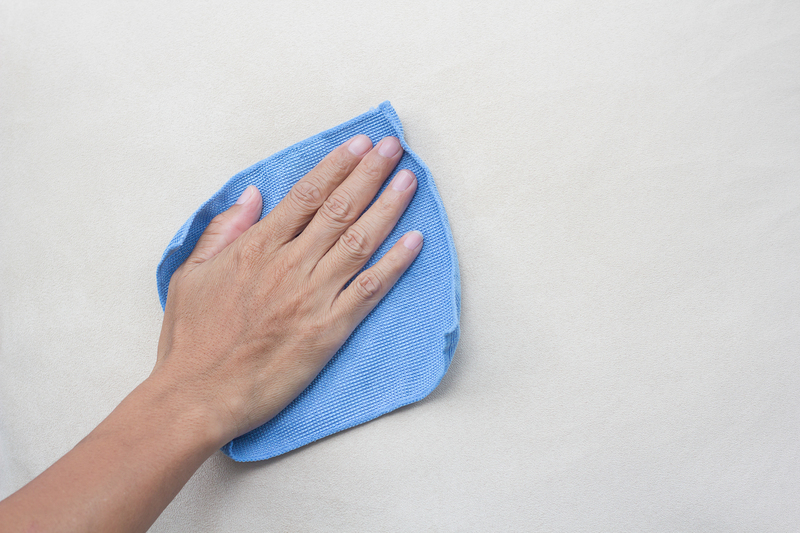
Frequently touched surfaces, such as doorknobs, light switches, and countertops, can harbor germs. Regularly disinfecting these areas with EPA-approved disinfectants helps eliminate germs and reduce the likelihood of transmission. It's important to follow the instructions on disinfectant labels to ensure their effectiveness.
3. Air Quality Control
Improving air quality can significantly reduce the spread of airborne germs. Using air purifiers with HEPA filters can capture particles, including viruses and bacteria, improving the overall air quality. Additionally, ensuring good ventilation by opening windows or using exhaust fans can help dilute airborne contaminants.
4. Personal Protective Equipment (PPE)
Personal protective equipment, such as masks and gloves, can effectively reduce the spread of germs in certain settings. Wearing masks in crowded or enclosed spaces helps prevent respiratory droplets from spreading, while gloves can protect against contact with contaminated surfaces. However, it's crucial to use and dispose of PPE correctly to avoid cross-contamination.
5. Healthy Lifestyle Choices
A healthy lifestyle can bolster your immune system and enhance your body's ability to fight off infections. Regular exercise, a balanced diet rich in fruits and vegetables, adequate sleep, and proper hydration are vital components of a strong immune system. Additionally, avoiding smoking and limiting alcohol consumption can further support your health.
6. Vaccinations
Vaccinations are a powerful tool in preventing the spread of infectious diseases. Keeping up-to-date with recommended vaccines, such as the flu shot and COVID-19 vaccines, can protect you and those around you by reducing the prevalence of these illnesses in the community.
Pros and Cons of Germ Reduction Strategies
Pros:
- Reduced risk of illness and infection
- Improved overall health and well-being
- Decreased healthcare costs due to fewer medical visits and treatments
- Enhanced productivity by reducing sick days
- Increased peace of mind and sense of security
Cons:
- The initial cost of supplies and equipment (e.g., disinfectants, air purifiers)
- Time and effort required to maintain cleanliness and hygiene
- Potential for skin irritation or allergies from frequent use of cleaning products
- Dependence on proper technique to ensure effectiveness
Tips for Effective Germ Reduction
- Develop and stick to a regular cleaning schedule for frequently touched surfaces.
- Encourage everyone in your household or workplace to practice proper hand hygiene.
- Use touchless technology, such as automatic soap dispensers and faucets, to minimize contact with surfaces.
- Stay informed about current health guidelines and recommendations from reliable sources.
- Educate others about the importance of germ reduction strategies and lead by example.
Takeaways
Germ reduction strategies are essential for maintaining a healthy and safe environment. By adopting practices such as proper hand hygiene, surface disinfection, and air quality control, you can significantly reduce the spread of germs. Utilizing personal protective equipment and making healthy lifestyle choices further complement these strategies. While there are some costs and efforts involved, the benefits far outweigh the drawbacks.
Conclusion
Implementing germ reduction strategies is crucial in today's world to protect yourself and others from harmful microorganisms. By taking proactive steps and incorporating these practices into your daily routine, you can create a cleaner, healthier environment. Remember that consistency is key, and the collective effort of individuals adhering to these strategies can lead to a significant reduction in the spread of germs.
With the right approach, everyone can contribute to a safer, healthier community. Make germ reduction a priority and enjoy the peace of mind that comes with knowing you are doing your part to protect yourself and those around you.
Latest Posts
Uncovering the Benefits of Hot Water Extraction
Save Time on Bathroom Cleaning Chores
Quick House Clean in 30 Minutes